

We’ve put together a collection of “Low Tech” aquarium plants to help you get started with setting up your tank. These aquatic plants will give you an easy start to your aquascaping adventure. They require very little maintenance which means you have less to worry about any external factors like lights, water changes, equipment or substrate.
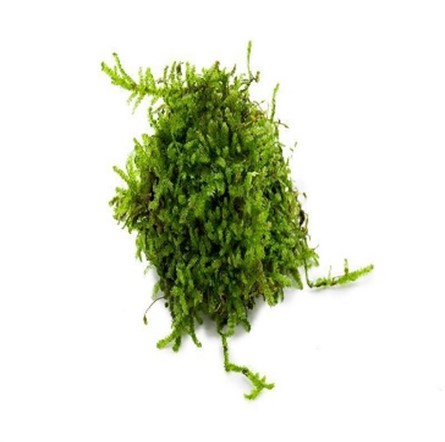
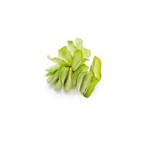
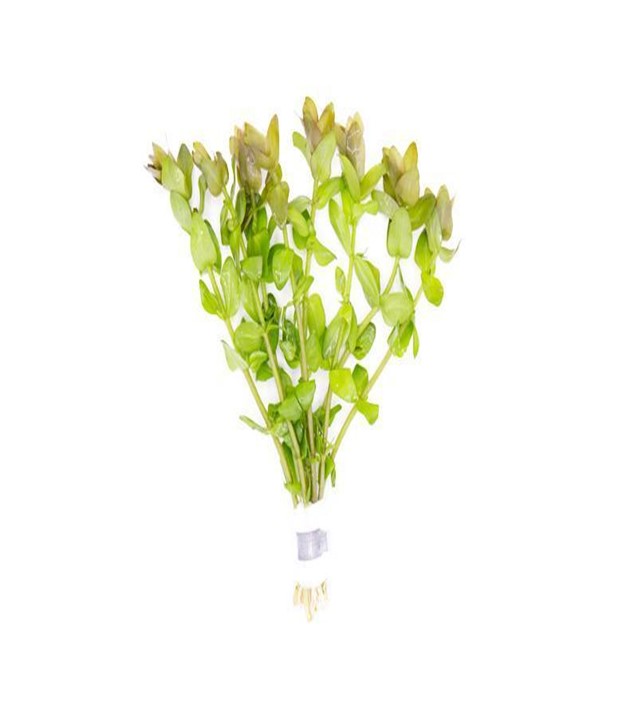
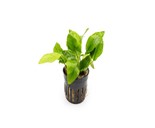
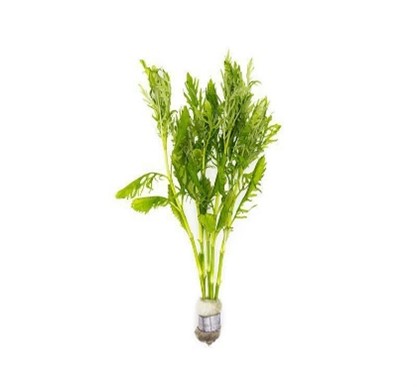
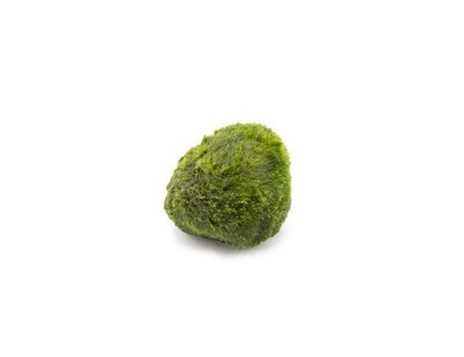
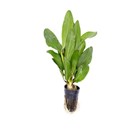
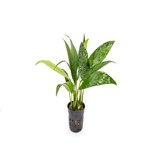
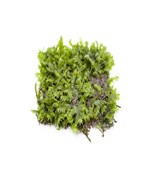
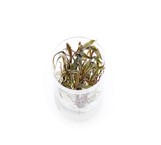
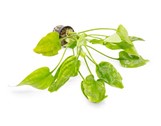
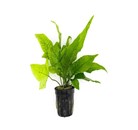
Christmas moss – a classic and essential item for aquarium hobbyists! Characterized by its bold green hue, this species is a common moss in many famous aquascapes. Aquarium moss in general has many different uses and can be used to recreate a variety of styles and can be used for several purposes in the tank. Most commonly used to wrap aquarium rocks or driftwood. Adding moss to hardscape adds a look enjoyed by enthusiasts of all skill levels. Seaweed is also widely used in breeding projects and can provide valuable protection for juvenile fish. It’s a great starter plant for aquascaping and an easy way to keep live aquatic plants.
It is extremely durable and will survive a wide range of aquarium parameters. Please note that most algae species may contain brown patches, and while suitable for low-tech tanks, CO2 injection will result in better growth and coloration. Do not make major changes to the aquarium. Unstable parameters cause aquarium plants to melt and rot. CO2 injection will provide better growth. pH: 6-8; Maintenance: Easy; Light: Low to Medium; Co2: Not required but recommended.
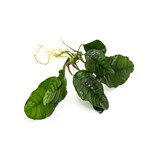
Anubias Nana Petite – one of the most sought after Anubias. Like other Anubias, it is an extremely easy plant to grow and can survive in a wide range of water parameters. They can grow as submers or emers in both aquariums and terrariums. It is a flowering plant that grows best when the rhizome is attached to a hard surface such as wood or stone. They have low to medium light requirements and can benefit from regular fertilization. CO2 is not necessary, but it does encourage faster growth and sturdier leaves. Slow-growing leaves are prone to algae growth when placed in high light. Origin: West Africa; Height: 3-5”; pH: 6-7.5; Maintenance: Easy; Light: Low; Co2: Not required; Growth rate: Can range from slow to moderate.
Java Moss – the most common aquarium moss! Characterized by its deep green hue and slender leaves, Java Moss has many different uses and can be used to recreate a variety of styles in your tank.
Typically used to wrap aquarium rocks or decorations such as driftwood. The addition of moss to the hardscape creates a delightful appearance for all enthusiasts. Seaweed is also widely used in fish breeding projects and can provide valuable protection for fish fry. One of the most popular properties of aquarium moss is its hardness. Moss is versatile and can be added to hardscape or left free-floating. It can be grown in a wide variety of aquarium conditions and is recommended for beginners and everyone else. pH: 6-8; Maintenance: Easy; Light: Low to medium; Co2: Not required but recommended.
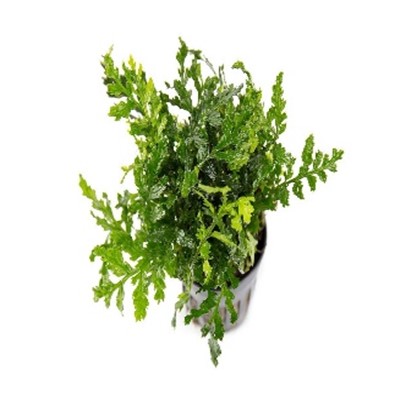
Mini Bolbitis – A small leaf variety of Bolbitis Heudelotii. It is a slow-growing fern that can be grown as submers or emers. Like Java Ferns, Anubias and Buce, rhizomes can be attached directly to wood or rock. Growing plants can be propagated by dividing and replanting along the rhizome. Bolbitis prefers to be placed in areas of the aquarium with higher flow rates. Do not make major changes to the aquarium. Unstable parameters will cause the aquarium plant to melt and rot. Origin: South East Asia; Height: 2-4”; pH: 6-7.5; Maintenance: Easy; Light: Low; Co2: Not required; Growth rate: Slow.
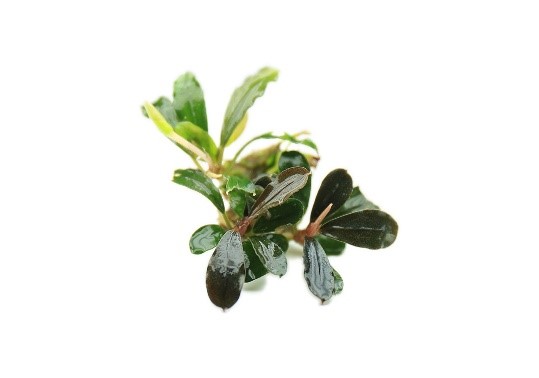
Bucephalandra Black Pearl – an excellent and easy-to-grow plant for beginner hobbyists. It can be grown as submers or emers. The plant grows very slowly, with new leaves sprouting from long, thin rhizomes. It can be propagated by cutting the rhizome and attached to driftwood and rocks using superglue gel or string. It is an epiphytic aquarium plant, so it can be attached to the hardscape of the aquarium. The final size, color and growth rate of Bucephalandra depend on the condition of the aquarium. Do not make major changes to the aquarium. Unstable parameters will cause the aquarium plant to melt and rot.
CO2 injection will provide better growth. Small 1-2cm; pH: 6-8; Maintenance: Easy; Light: Low to Medium; Co2: Not required but recommended; Growth rate: Slow.
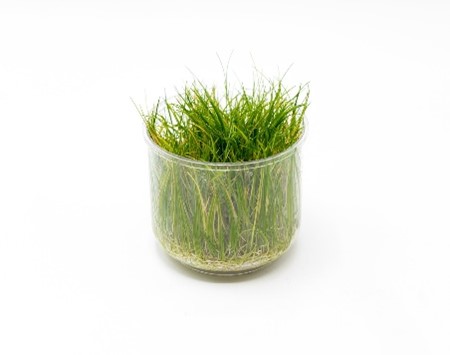
Dwarf Hair Grass, Eleocharis Parvulus Mini – is an extremely popular and easy to keep aquarium plant that produces grass when optimal conditions are provided. Dwarf Hair Grass, also known as water grass, has thin, bright green blades that spread horizontally by sending out branches. High lighting and Co2 injection are not mandatory for growing dwarf feathergrass, but applying it in a planted tank helps stimulate and increase the growth rate and density of the aquarium plant. When grown in optimal conditions, Dwarf Bristleweed will grow rapidly and will require frequent pruning to keep the foreground neat and low. Origin: Cosmopolitan; Height: 1-2”; pH: 6-7.5; Maintenance: Easy; Light: Medium to High; Co2: Recommended; Growth rate: Can range from Moderate to Fast.
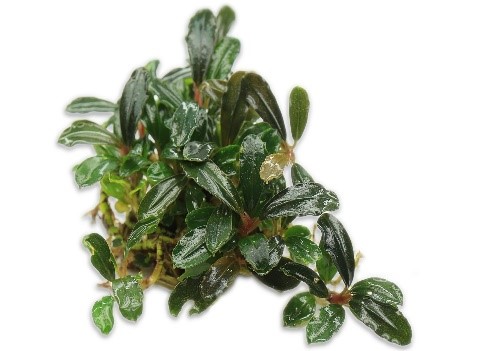
Bucehpalandra Brownie Blue – an excellent and easy-to-grow plant for our beginner hobbyists. It can be grown as submers or emers. The plant grows very slowly, with new leaves sprouting from long, thin rhizomes. It can be propagated by cutting the rhizome and attached to driftwood and rocks using superglue gel or string. Bucephalandra is an epiphytic aquarium plant, so it can be placed in the hardscape of the aquarium. Leaves: Small 1-2 cm; pH: 6-8; Maintenance: Easy; Light: Low to Medium; Co2: Not required but recommended; Growth rate: Slow.
Red Tiger Lotus – a type of water lily commonly used in aquascaping. Its bright red leaves can become a large and striking sight when planted with green stems and carpet plants. Under high light and with the addition of CO2 and fertilizer, leaves can turn deep red with orange and brown spots throughout. Although it can grow in low light, the leaves tend to become duller and turn a bronze color. This plant, like other water lilies, can send leaves to the surface. Origin: Africa; Height: 4-6”; pH: 6-7.5; Maintenance: Easy; Light: Medium; Co2: Not required; Growth rate: Medium.
Salvinia natans – a less common floating plant with nickel-sized leaves filled with air sacs. Unlike other similar floating plants, Salvinia does not have long roots extending into the water column. These small floating ferns can grow into thick mats that cover the entire top of the tank and block out light from below. It is perfect for low-tech aquariums and paludariums and can act as a good shade plant to prevent algae growth. Height: 2-3″; pH: 6.5-7.5; Care: Easy; Light: Low to High; Co2: Not required; Growth rate: Fast.
Bacopa Caroliniana Red – an aquatic root plant that is both easy to grow and well known in aquascaping. The plant is typically green, but can exhibit new shades of red with the addition of iron and micronutrients. This plant is a great option for beginning hobbyists because it is hardy and does not require CO2 injection. It prefers a nutrient-rich environment and clean water. Bacopa requires moderate light or the lower parts of the stems. It spreads by branching, easily taking root in the substrate. Stems can be identified as submerged and emers. It blooms with tiny pink or white flowers. Height: 4-12”; pH: 6.0-7.5; Maintenance: Easy; Light: Medium to High; Co2: Not required; Growth rate: Slow.
Java Fern Windelov – they can grow in low light conditions and a wide range of water parameters. The tips of the leaves are divided into three thin leaves, giving a beautiful shrub effect as it grows. Java Fern species can be attached directly to driftwood, rocks or any aquarium decoration using thread or glue. Be sure to keep the rhizomes above your substrate or the plant may begin to rot. Development is easy and straightforward; cut or separate only rhizomes to be replanted.Origin: Indonesia; Height: 3-5”; pH: 6-7.5; Maintenance: Easy; Light: Low; Co2: Not Required; Growth rate: Can range from Slow to Medium.
Cryptocoryne Balansae These stemmed plants create a tranquil scene in the background of an aquascape as their dark or bright green reed-like leaves sway gently in the current, offering cozy hiding spots for fish to play in. The plant has short stems and long, thin leaves. It creates a great contrast with hardscaping materials. Balansae plants thrive in an environment rich in nitrate, phosphate, iron, CO2 and calcium. If the leaves of the plant are curled and deformed, calcium supplements are highly recommended. Balansae plants need medium to high levels of lighting. At least 2-3 watts/gallon of illumination is required to achieve the attractive puckered or wrinkled effect of the leaves. High light can also cause the leaves to take on a bronze color. Mature plants with high light can potentially produce flowers when propagated. However, this plant is much easier to submerge in water. All crypt plants hate changes in water parameters and will go through the process of “crypt melting” if conditions change too much. If this process begins, you can cut off the rot and try to stabilize the water. It is normal for crypts to melt when placed in a new tank. Origin: Southeast Asia; Height: 24-36”; pH: 6.5-7.5; Maintenance: Medium; Light: Medium to High; Co2: Recommended; Growth rate: Medium.
Anubias Nana – An extremely easy plant to grow and can survive in a wide range of water parameters. Like other Anubias plants, it can grow as submers or emers in both aquariums and terrariums. Anubias Nana is a flowering plant that grows best when attached to a hard surface such as driftwood or stone. They have low to medium light requirements and can benefit from regular fertilization. CO2 is not required, but is recommended to encourage faster growth and sturdier leaves. Because it is a slow-growing plant, the leaves are susceptible to moss growth when placed in high light. Origin: West Africa; Height: 3-5”; pH: 6-7.5; Maintenance: Easy; Light: Low; Co2: Not required; Growth rate: Can range from slow to moderate.
Water Wisteria – a popular root crop that is extremely easy to care for and suitable for beginning hobbyists. It can grow very tall, but with frequent pruning the plant can remain compact and low growing. To propagate, stems can be cut and replanted. Do not make major changes to the aquarium. Unstable parameters will cause the aquarium plant to melt and rot. CO2 injection will provide better growth. Region: Asia; pH: 6-7.5; Maintenance: Easy; Light: Medium to High; Co2: Recommended; Growth rate: Fast.
Marimo Ball’s – is actually a spherical form of algae that grows into a round ball shape. Marimo in Japanese literally means “seaweed ball” and was invented by Japanese botanist Takiya Kawakami. This plant grows extremely slowly, at a rate of less than 5 mm per year. Because they are essentially a type of algae, Marimo Balls are extremely easy to care for and can grow in almost any aquarium condition. Marimo Balls are extremely easy to sew. You literally throw it into your aquarium, stick it to your stone or wood. The possibilities with this plant are only limited by your imagination. pH: 6-8; Maintenance: Easy; Light: Low to medium; Co2: Not required but recommended.
Subwassertang – is a free-floating aquatic plant that makes a great addition to shrimp tanks in particular. Although initially slow growing, the plant grows well once established and is a great way to provide natural protection for different species of juvenile and skittish fish. The herb also helps neutralize toxins in the water column while promoting oxygen-rich water. Do not make major changes to the aquarium. Unstable parameters will cause the aquarium plant to melt and rot. CO2 injection and quality aquarium soil will ensure better growth. pH: 6-8; Maintenance: Easy; Light: Low to medium; Co2: Not required but recommended.
Cryptocoryne Hudoroi – A rare plant species that makes a terrific ground accent in the central areas of your tank. This stemmed plant has large, oblong, dark or glossy green leaves with a unique wrinkled or wrinkled texture that blends well with hardscape landscaping material. C. Hudoroi plants grow in an environment rich in nitrate, phosphate, iron, CO2 and calcium. Since it comes from Borneo, where it lives in limestone-rich rivers and streams with very high calcium content, calcium supplementation is highly recommended.
C. Hudoroi plants need moderate to high levels of lighting. At least 2-3 watts/gallon of lighting is required to achieve the attractive puckered or wrinkled effect of the plant’s leaves. This plant is much easier to submerge in water, but it can also grow underwater. Mature plants in a high-light environment can potentially produce flowers as they develop. All crypt plants hate changes in water parameters and will go through the process of “crypt melting” if conditions change too much. The leaves of the plant begin to rot. If this process begins, you can cut off the rotting plant and try to stabilize the water. It is normal for crypts to melt when introduced to a new tank, and once they are acclimated they should move on to new growth stages. C. Hudoroi develops through vessels that can be cut and reinserted into the substrate. CO2 injection and quality aquarium soil will ensure better growth. Origin: Southeast Asia; pH: 6.5-7.5; Maintenance: Medium; Light: Medium to High; Co2: mandatory; Growth rate: Medium
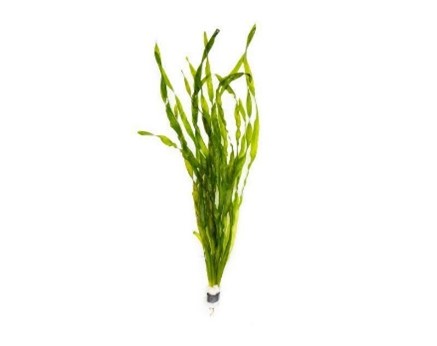
Vallisneria Americana – a popular background plant for any aquarium. This plant grows fast and tall, quickly spreading to cover your aquarium. The leaves, like other Vallisneria species, are long and take on a twisted shape that can have a spectacular effect when fully grown.
This plant is known to tolerate some levels of salinity, so it can survive in a harsh environment. This plant will produce lateral branches that can be cut and replanted. Height: 8-12″; pH: 6-7.5; Care: Medium; Light: Medium to High; Co2: Recommended.
Anubias Congensis Mini – the perfect foreground plant for our beginning hobbyists. This attractive plant has small, dark green, oblong leaves that prove to be a beautiful accent to any aquarium landscaping. Anubias Congensis mini rhizomes can be attached to a rock, piece of driftwood or other tank decoration. You can tie the plant with rope or fishing line to root it in a certain spot. Wherever it is placed, do not cover its rhizome as this will cause rot. Keep this in mind if you plan to plant this plant in the substrate – plant only the roots, not the rhizome. This plant can be grown as submers or emers. It prefers a tank with good water circulation. They grow slowly, which means they are prone to algae growth, especially in high light. To avoid this problem, keep up with your water changes. These plants prefer low to moderate lighting. They can survive without CO2 injection, but will grow faster and larger if administered. Anubias Congensis mini spreads via the rhizome system. If the plant is healthy, it should produce side shoots that you can separate from its rhizome and then leave to root in your tank. Anubias do very well with a variety of tankmates and can survive with even the most active and aggressive fish species. Origin: West Africa; Height: 2-5”; pH: 6.0-8.0; Maintenance: Easy; Light: Low to medium; Co2: Not required but recommended; Growth rate: Slow.
Anubias Barteri Coffeefolia – A beautiful variety of Anubias Barteri that can grow to about 12 inches tall. Like other Anubias, it can develop as submers or emers in both aquariums and terrariums. It has long stems like Anubias Barteri, but its leaves have a wrinkled texture. This plant is suitable as a middle ground and background, as the leaves can grow to a sufficient length.
Like other Anubias, this variant is a flowering plant that grows best when attached to a hard surface such as driftwood or stone. They have low to medium light requirements and can benefit from regular fertilization. CO2 is not necessary, but can promote faster growth and sturdier leaves. Because it is a slow-growing plant, the leaves become susceptible to moss growth when placed in high light. Origin: West Africa; Height: 4-6″; pH: 6-7.5; Care: Easy; Light: Low; Co2: Not required; Growth rate: Can range from slow to medium.
Echinodorus-Red-Rubin – bold and colorful plants, perfect for background accents in amateur aquariums. These plants have large oval leaves, short stems that exhibit stiff yellow veins and leaves with a finely wavy texture. It can display a range of colors, from purple and gold to green or dark green. It can easily grow into submers and emers. They are not picky when it comes to water parameters, but they need good, nutrient-rich soil to thrive. CO2 injection is not required for these plants. Moderate light is ideal, but the plant will do well under a variety of lighting conditions. These plants are sensitive to copper and should not be kept in tanks treated with it. They can be quite large, making them well-suited for a large tank. Their large leaves can easily restrict light to other plants if they are not pruned regularly. Origin: Cultivar; Height: 10-24”; pH: 5.5-8.0; Maintenance: Easy; Light: Medium; Co2: Not required; Growth rate: Fast.
Anubias Congensis – an extremely easy plant to grow and can survive in a wide range of water parameters. The leaves are thin and sharp, unlike the rounded leaves of Anubias Barteri or Anubias Nana. Like other Anubias plants, it can grow as submers or emers in both aquariums and terrariums. It is a flowering plant that grows best when attached to a hard surface such as driftwood or stone. They have low to medium light requirements and can benefit from regular fertilization. CO2 is not necessary, but can promote faster growth and sturdier leaves. Because it is a slow-growing plant, the leaves are susceptible to moss growth when placed in high light. Origin: West Africa; Height: 6-8”; pH: 6.0 – 9.0; Maintenance: Easy; Light: Low; Co2: Not required; Growth rate: Can range from slow to moderate.
Fissidens Nobilis – A gorgeous, hairy algae that will add shine and dimension to planted aquariums. This plant, a newly discovered moss from Asia, requires almost no care once it takes root. While Fissidens Nobilis can survive in a variety of conditions, it prefers a lower temperature around 77°F. This moss is a popular option for creating a natural look on rocks or driftwood. Origin: Asia; Height: 3-10cm; pH: 6.0-8.0; Maintenance: Easy; Light: medium; Co2: Not required; Growth rate: Slow.
Echinodorus Aflame Sword – The leaves of this unique plant can range from green to red depending on growing conditions, and the addition of iron can help bring out the robust coloration. Unlike most Echinodorus species, the Aflame grows slightly slower and remains relatively smaller than common aquatic species. Echinodorus is a very hardy species of aquatic plant. Most Echinodorus require nutrient-dense soil because they are heavy root feeders. Echinodorus is quite large and more suitable for large planted aquariums. CO2 injection and quality aquarium soil will ensure better growth. Origin: North America; Height: 4-12”; pH: 6.5-7.5; Maintenance: Moderately Easy; Light: Medium to High; Co2: Required; Growth rate: Can range from Moderate to Fast.
Cryptocoryne Nurii – A highly sought after, rare and attractive variety of Cryptocoryne. It is considered an extremely slow growing species and is generally difficult to grow by most hobbyists. The leaves have a wavy texture ranging from olive green to bronze red. It can grow in both Low Tech and High Tech tanks with low to medium lighting. CO2 is not absolutely necessary but will aid growth. Cryptocoryne prefers not to move once erected. Do not move it if possible! Origin: Sri Lanka; Leaves: 2-3”; pH: 6-7.5; Maintenance: Difficult; Light: Low to Medium; Co2: Not required but recommended; Growth rate: Slow.
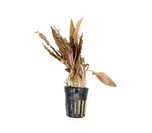
Crypt Pontederiifolia – a unique Cryptocoryne variety identifiable by long stems and arrowhead-shaped leaves. The leaves are generally light olive green, with the undersides sometimes having a slight pink tint. It can grow quite tall, making it suitable for the center area or background of your aquarium. If grown in a good aquarium substrate such as Controsoil, the plant can receive nourishment from the roots and grow rapidly without the need for high light, CO2 or fertilizer dosage. Crypts can be grown into submers and emers. You can propagate by dividing the rhizome or by cutting off new branching and replanting. Origin: Borneo; Leaves: 4-10”; pH: 6-7.5; Maintenance: Easy; Light: Low to Medium; Co2: Not required but recommended; Growth rate: Slow.
Bolbitis Heteroclita – Looks more like Java Fern compared to Bolbitis Mini and Difformis. It is a slow-growing fern that can be grown as submers or emers. Java Ferns, such as Anubias and Buce, can have their rhizomes attached directly to driftwood or rock. Larger plants can be propagated by dividing and replanting along the rhizome. Bolbitis prefers to be placed in areas of the aquarium that experience higher flow rates. Do not make major changes to the aquarium. Unstable parameters will cause the aquarium plant to melt and rot. CO2 injection and quality aquarium soil will ensure better growth. Origin: South East Asia; Height: 2-4”; pH: 6-7.5; Maintenance: Easy; Light: Low; Co2: Not required; Growth rate: Slow.